
Represented the seller
3248 Signal Hill Court
Promontory (Signal Hill)
October 2026
4 beds · 6 baths · 5,647 sf
Seller guide
This is a plain-English guide to selling a home in Park City, Deer Valley, or the Wasatch Back. It explains the usual path, from the first conversation about price through closing. It is not legal advice, and it does not promise a price or a date.
Represented the seller
Promontory (Signal Hill)
October 2026
4 beds · 6 baths · 5,647 sf

Represented the seller
Promontory (West Hills)
July 2026
5 beds · 8 baths · 7,595 sf
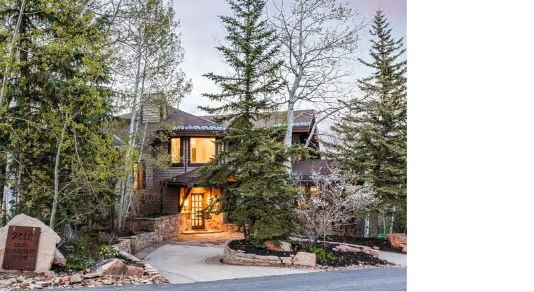
Represented the seller
Thaynes Canyon (Iron Canyon)
January 2022
6 beds · 7 baths · 8,544 sf
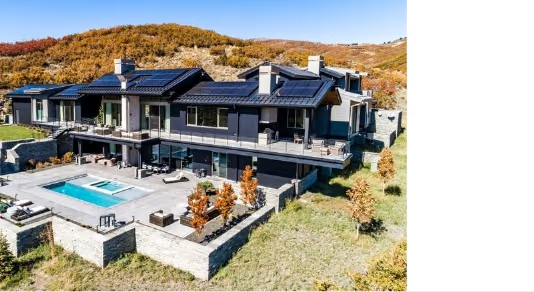
Represented the seller
Glenwild (The Preserve)
November 2020
4 beds · 8 baths · 11,946 sf
Represented the seller
Sun Peak/Bear Hollow (Mahogany Hills)
April 2026
6 beds · 7 baths · 6,561 sf
Represented the seller
Promontory (Residences at Painted Valley)
January 2026
5 beds · 5 baths · 4,857 sf
The pages follow the order most owners meet the work. You can read them straight through, or open the one you need.
Pricing your home is how a list price is chosen, and what that number is not. Preparing to list is the house, the seller disclosure, and the papers to gather. How we market your home is a private introduction or a public listing, and what you approve before anything is shared. Reviewing offers explains the Utah purchase contract from the seller’s side. Steps to closing is the path from acceptance to the recorded deed. The ski-home page covers associations, rental rules, and a house you do not live in all year.
Park City, Deer Valley, and the Wasatch Back sit near each other. They are not the same sale. A house in town, a Deer Valley address, and a club community north of town ask different questions about roads, associations, and how a buyer will use the house.
Start with the pocket the house actually occupies. The neighborhood pages linked below describe the places. The market page is the broader update. A card on this site shows a list price, which is an asking price.
Utah is a non-disclosure state. This site does not publish a sold price, a closed price, or an assessed price. It will not tell you what a buyer will pay, and it will not tell you when a sale will close. Those are decisions the contract and the buyer still have to meet.
It does not give tax advice. A sale can raise tax questions. Consult a tax professional. It will not name another agent, and it will not name a lender.
The advisor you start with stays with you through closing. How that guidance works is on the selling page. This guide is the map of the steps. A private valuation for one address starts on the home value page. It is not an automated estimate, and that page does not show a price.
Anyone selling a home in Park City, Deer Valley, or the Wasatch Back. That includes a home you live in, a second home, and a ski home. The words are plain on purpose.
No. It explains the usual path so the conversations are easier. The advisor you start with stays with you through closing. The selling page describes that guidance.
No. A list price is an asking price you and your advisor agree on before it is shared. It is not a promise of what a buyer will pay, and it is not a promise of when a sale will close. A private valuation for one address is requested on the home value page. That page does not show a price.
No. Deer Valley, a house in town, and a community on the Wasatch Back are different sales. Roads, associations, and how the house is used all change the plan. Read the neighborhood hub for the place you own.
Address, size, and area. A number appears only when this site already publishes a price per square foot for that area.
Park City has no published price per square foot on this site, so there is no range to show. A full report can still be prepared for the address.
The home value page uses this same form and answers a few questions about a private valuation. It does not show a price.